Why Rest Isn’t Enough for Burnout Recovery
You took a vacation. You slept more. You stepped away from work. So why are you still exhausted?
If you've ever returned from vacation feeling refreshed for a few days, only to find yourself overwhelmed and exhausted again by the end of the week, you are not alone.
When Elena came back from vacation, she expected to feel refreshed.
Instead, by Wednesday, she was exhausted again.
She had slept more. Stayed away from work. Spent time with her family. For a few days, she even felt like herself.
Then the emails started.
Her calendar filled up. The pressure returned.
“I don’t understand,” she told me. “I rested. Why am I still so tired?”
It’s a question I hear often.
And sometimes, the answer is this:
Rest may help you recover temporarily, but it may not be enough when the things exhausting you are still waiting for you when you return.
Can You Recover From Burnout With Rest Alone?
Rest matters.
Your brain and body need time to pause, recover, and recharge. Taking breaks and using vacation time can support recovery from work stress.
But burnout recovery is not simply about stopping.
It is also about understanding what keeps draining your capacity.
Research summarized by the American Psychological Association has found that the positive effects of vacation can disappear within days for many workers, particularly when they return to the same sources of workplace stress.
That doesn't mean vacation is pointless.
It means rest is only one part of recovery.
Think of a bucket with a small leak.
You can keep adding water, but if the leak remains, the bucket never stays full for long.
Burnout can feel the same way.
If your workload, boundaries, expectations, constant interruptions, or pressure remain unchanged, you may feel better temporarily but quickly become depleted again.
So what might burnout actually be asking you to look at?
1. Find What Is Draining Your Energy
Start by looking beyond your to-do list.
Ask yourself:
What consistently takes more energy than it should?
Where am I constantly interrupted?
What decisions am I making over and over?
Which conversations leave me depleted?
What am I carrying that someone else could help with?
Where do I feel like everything depends on me?
Burnout is not always caused by simply having “too much to do.”
It can also be connected to how work is organized, how much control you have, the support available to you, and whether your workload is sustainable.
The World Health Organization identifies chronic workplace stress that has not been successfully managed as central to occupational burnout.
Being capable does not mean you have to carry everything.
2. Protect Your Recovery Time
If work follows you into dinner, evenings, weekends, and vacations, your brain may never get enough space to truly switch gears.
You don't need to create the perfect work-life balance overnight.
Start with one boundary.
Choose a period of your day when work messages can wait.
Maybe it is:
No work email during dinner.
No notifications after 7 p.m.
One uninterrupted hour before bed.
A protected lunch break.
No checking your work inbox during vacation.
Small boundaries can create space between you and the demands competing for your attention.
And that space matters.
3. Pay Attention to the Signs of Burnout
Burnout doesn't only affect how you feel emotionally.
You may notice changes in:
Energy
Sleep
Concentration
Patience
Motivation
Physical tension
Your ability to get started
How connected you feel to your work
The WHO describes occupational burnout using three dimensions: exhaustion, increased mental distance or cynicism toward work, and reduced professional efficacy.
Mayo Clinic also notes that job burnout can involve exhaustion, difficulty concentrating, changes in sleep, irritability, and feeling disconnected from work.
These signals aren't character flaws.
They are reasons to pause and pay attention.
And if persistent fatigue doesn't improve with rest or is interfering significantly with daily life, it is worth talking with a healthcare professional because fatigue can have many possible causes beyond burnout.
4. Ask What “Enough” Means
For many high achievers, the finish line keeps moving.
One accomplishment leads to another goal.
One successful week leads to an even fuller calendar.
You finish one project and immediately start thinking about the next one.
Eventually, there is always something else to do.
That can make recovery feel impossible.
So instead of asking:
“What else do I need to accomplish today?”
Try asking:
“What would enough look like today?”
Not perfect.
Not everything.
Enough.
Sometimes recovery begins when you stop measuring your worth by how much more you can carry.
5. Look at What You Return To
This may be the most important question:
What happens when the vacation ends?
If you return to the same overloaded calendar, unanswered emails, unrealistic expectations, constant availability, and lack of boundaries, it makes sense that the relief from vacation may not last.
That doesn't necessarily mean you need another vacation.
It may mean something about the way you are working needs attention.
The goal isn't to eliminate every source of stress.
That isn't realistic.
The goal is to understand your patterns well enough to make changes that protect your energy and capacity.
Burnout Recovery Doesn't Mean Giving Up Your Ambition
You don't have to care less about your work.
You don't have to abandon your goals.
And you don't have to become less ambitious.
But you may need to change how you are spending your energy so you can continue doing what matters without constantly running yourself into the ground.
Sometimes burnout isn't asking you to push harder.
It may be asking you to listen differently.
Because sometimes the answer isn't another vacation.
It's changing what you return to after the vacation.
What Does Burnout Recovery Actually Require?
Real burnout recovery is not about finding one perfect solution.
It can involve looking at several connected areas of your life:
Your workload and work patterns
Your stress response and nervous system
Your thoughts and emotions
Your physical energy and health
Your relationships, support, and environment
When you understand the patterns contributing to burnout, you can begin making changes that go beyond simply taking another day off.
That is one of the reasons I wrote Work Burnout Recovery.
Inside the book, we explore what burnout can look like, how chronic stress can affect your capacity, how to recognize patterns that keep you stuck, and practical strategies for beginning your recovery.
You don't have to give up the work and life you care about to recover from burnout.
You can learn to work with your energy differently.
You can learn to recognize the warning signs earlier.
And you can build a more sustainable way of showing up for what matters.
The Work Burnout Recovery Book Is Coming Soon
If you've ever thought:
“I just need a vacation.”
“I'll feel better once this project is finished.”
“I should be able to handle this.”
“Why am I still exhausted when I'm finally getting some rest?”
You may be ready to look a little deeper.
Work Burnout Recovery was written for capable, caring, hardworking people who want to recover without giving up the life and work they value.
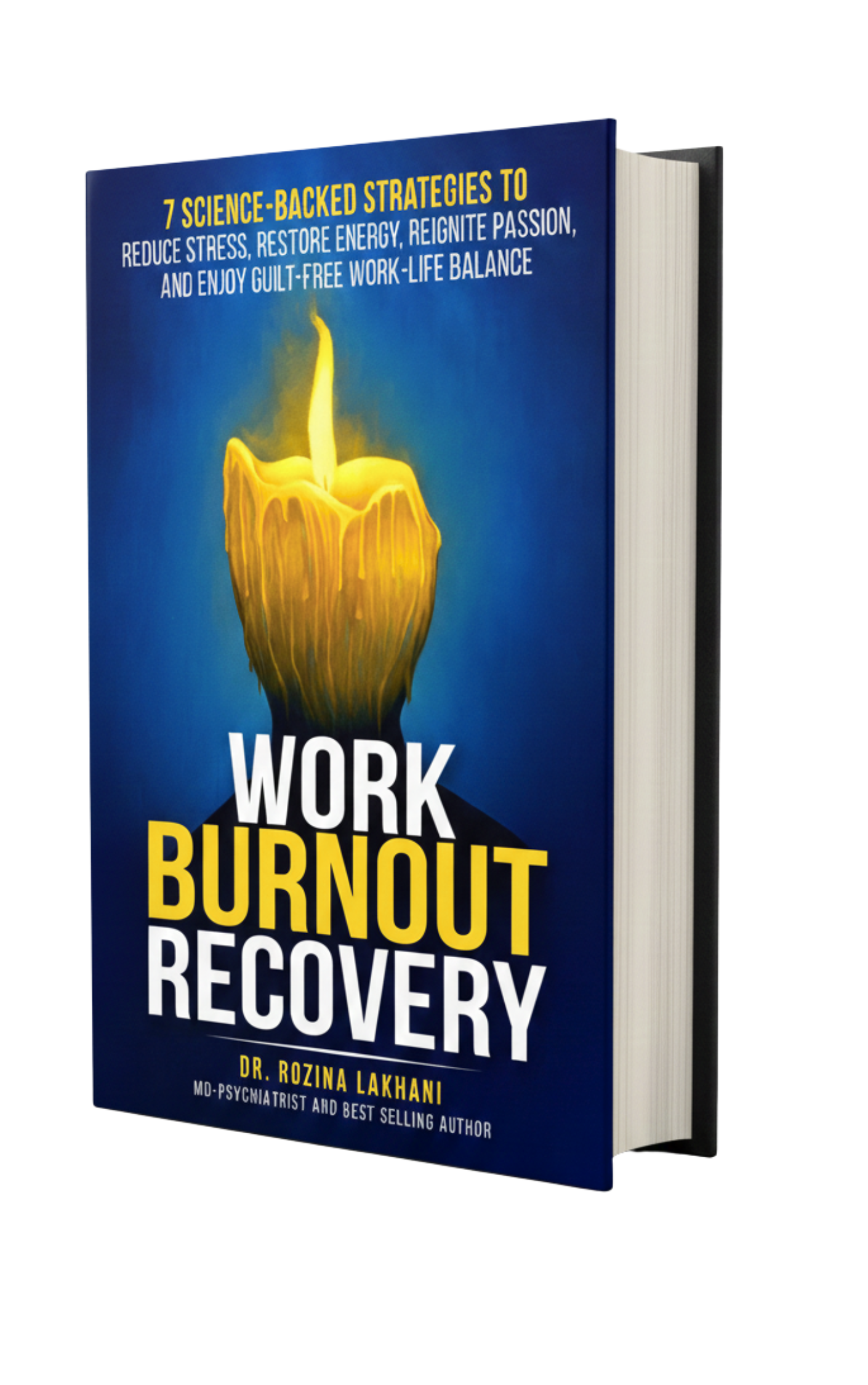
The book is launching soon, and I would love to invite you to become one of our early readers.
Join the Work Burnout Recovery Early Readers Community
Get updates about the upcoming book launch and be part of the community as we share practical tools for understanding and recovering from burnout.
Join the Work Burnout Recovery Early Readers Community →
Because burnout recovery isn't about becoming less ambitious.
It's about having the capacity to keep showing up for what matters.
If someone in your circle is struggling and is based in Washington State (USA), please feel free torefer them to us. It’s an honor to support individuals on their healing journey. As a small thank you, we’d love to include you in our VIP community for helpful insights and exclusive updates.