The Role of Gratitude in Burnout Prevention and Recovery: What the Research Shows
Burnout doesn't happen overnight.
It can build through prolonged stress, constant demands, emotional exhaustion, and the feeling that there is always more to do.
So where does gratitude fit into burnout prevention and recovery?
Gratitude isn't a cure for burnout. But research suggests it may help reduce stress and support emotional well-being, making it a useful part of a broader recovery process.
When we're burned out, our attention often becomes focused on what's urgent, unfinished, or going wrong.
Gratitude gives us a chance to pause and notice something different:
What is meaningful? What is supportive? What still matters?
Studies of gratitude practices among workers have found promising results, including potential improvements in perceived stress and emotional well-being. Research with healthcare professionals and nurses has also found associations between gratitude practices, lower stress and burnout, and greater work engagement.
One reason gratitude may help is that it intentionally shifts our attention.
Instead of asking only:
“What still needs to be done?”
we can also ask:
“What mattered today?”
The answer doesn't have to be big.
Maybe a colleague helped you.
Maybe you solved a difficult problem.
Maybe someone appreciated your work.
Maybe you simply gave yourself permission to rest.
Try writing down one meaningful moment at the end of your day.
You can also express gratitude to someone else. Instead of saying, “Great job,” be specific:
“Thank you for catching that mistake. It saved us hours of extra work.”
But remember: gratitude should never replace addressing the real causes of burnout.
If you're overwhelmed by an unsustainable workload, poor boundaries, or a lack of support, gratitude alone won't solve the problem.
Sometimes recovery requires rest.
Gratitude doesn't erase what's difficult. It helps us notice that the difficult things aren't the whole story.
And sometimes, noticing what still matters can be one small step toward recovery.
This article is for educational purposes and is not a substitute for professional medical or mental health care.
For more practical, science-informed strategies for burnout recovery, explore my upcoming book, Work Burnout Recovery.
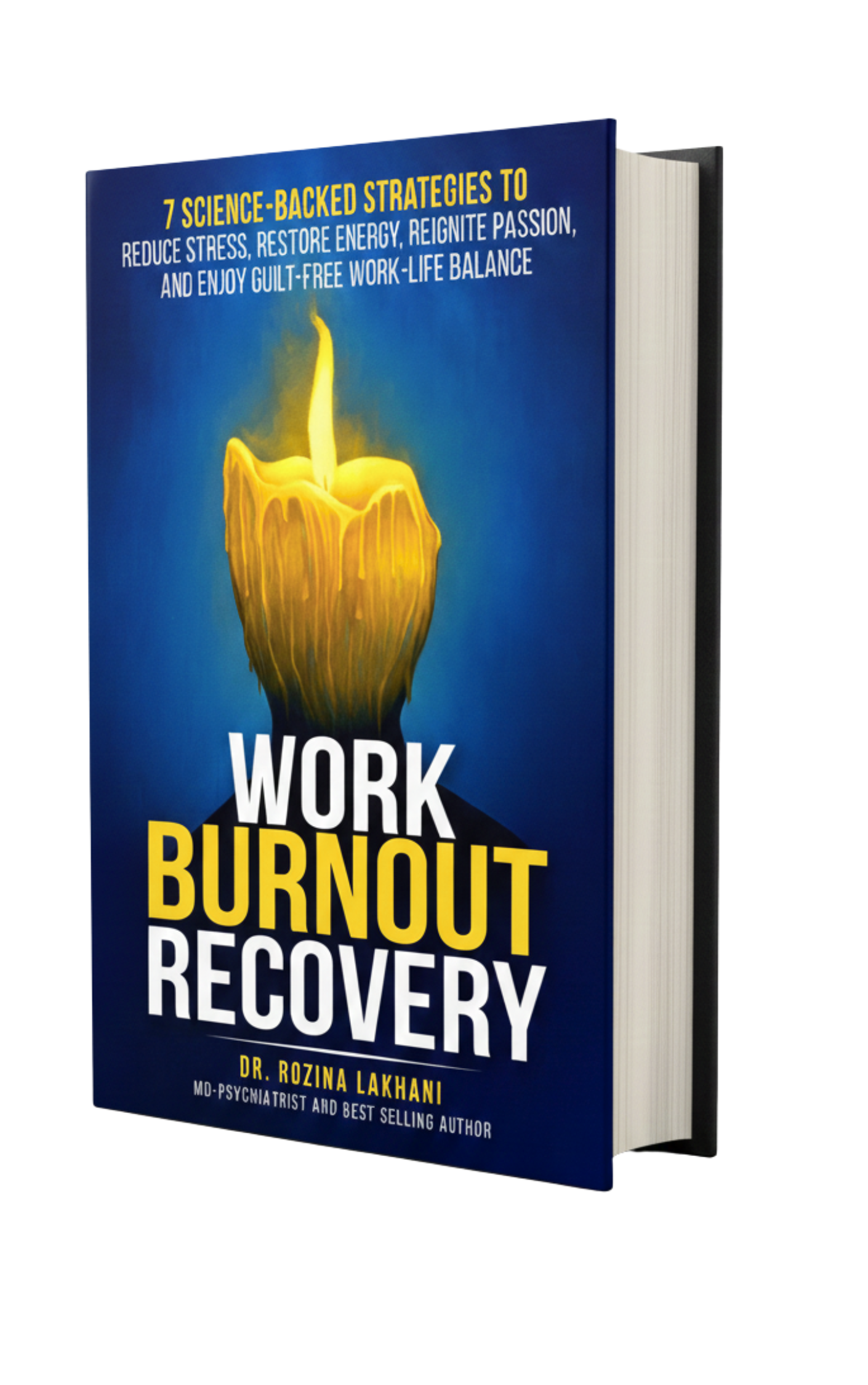
Sign up here as an early reader: https://workburnoutrecovery.com/burnoutbook-signup